


The first hard freeze often arrives with little warning. One cold night can burst a pipe, kill a furnace, or leave a family without heat. The good news is that most winter damage is easy to prevent, and most of the work costs little or nothing. This guide walks you through your home room by room, so you can get ready before the cold sets in.
Start with the pipes
Frozen pipes are the most common and most costly winter problem. Water expands when it freezes, and that pressure can split a pipe and flood a home.
Start by finding pipes on outside walls, in garages, attics, and crawl spaces. These are the ones that freeze first. Wrap them with pipe insulation, which you can buy at any hardware store and cut to fit. Insulate every exposed pipe you can reach, not just the ones that froze before.
Inside the house, open the cabinet doors under kitchen and bathroom sinks on very cold nights. This lets warm air reach the pipes. If a cold snap is severe, let a faucet drip slowly. Moving water is much less likely to freeze than still water.
Know where your main water shut-off valve is before you need it. If a pipe does burst, shutting off the water in the first minutes can save thousands of dollars in damage. Show every adult in the home where it is and how it works.
Seal out the cold air
Cold air comes in through small gaps, and warm air escapes through the same gaps. Sealing them makes your home warmer and can cut heating use.
Walk around your home on a windy day and feel for drafts near doors and windows. Add weather stripping to doors that do not close tight, and caulk gaps around window frames. A door sweep at the bottom of an outside door blocks a surprising amount of cold air.
In the attic, check that insulation covers the floor evenly. Many homes do not have enough insulation, and heat rises straight out through a thin attic floor. You do not need to fix everything at once. Start with the draftiest room and work outward.
On sunny winter days, open curtains on south-facing windows to let free warmth in. Close them at night to keep that warmth inside.
Check your heating system now
Do not wait for the coldest night of the year to learn your furnace has a problem. Change the furnace filter, and check it monthly during heavy winter use. A dirty filter blocks airflow and forces the system to work harder.
Have a professional service your furnace once a year, ideally before winter starts. They can spot small problems before they become emergencies. If you use a wood or pellet stove, clean the flue on schedule.
Set your thermostat to about 68 degrees Fahrenheit while you are awake, and a few degrees lower while you sleep or are away. This is the guidance from the U.S. Department of Energy. Each degree lower saves energy, and the house stays warm enough to protect people, pets, and pipes.
Test your smoke alarms and carbon monoxide alarms, and make sure they have battery backups. Heating equipment is a leading cause of winter home fires, and carbon monoxide has no smell. Alarms on every floor, tested monthly, are non-negotiable.
Build a winter emergency kit
A winter storm can cut power and close roads for days. Ready.gov advises families to gather supplies to stay home for several days without power.
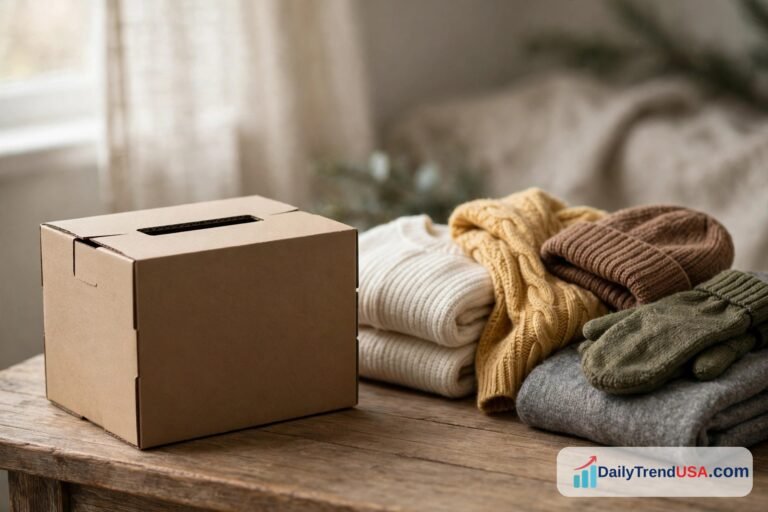
Your kit should include water and food for at least three days, a battery-powered or hand-crank radio, flashlights with extra batteries, a first-aid kit, and at least a week of any medicines your family needs. Add warm blankets, hats, gloves, and dry socks. Keep phone chargers and a backup battery charged.
For the car, keep a separate kit with blankets, a flashlight, water, snacks, and a small shovel. Keep your gas tank at least half full in winter. A full tank helps prevent the fuel line from freezing, and it gives you a way out if you must leave.
If you use a generator, run it only outdoors, far from windows, doors, and vents. Never heat your home with a gas stove or oven, and never run a grill inside. Carbon monoxide kills quietly, and these mistakes cause deaths every winter.
Outside the house
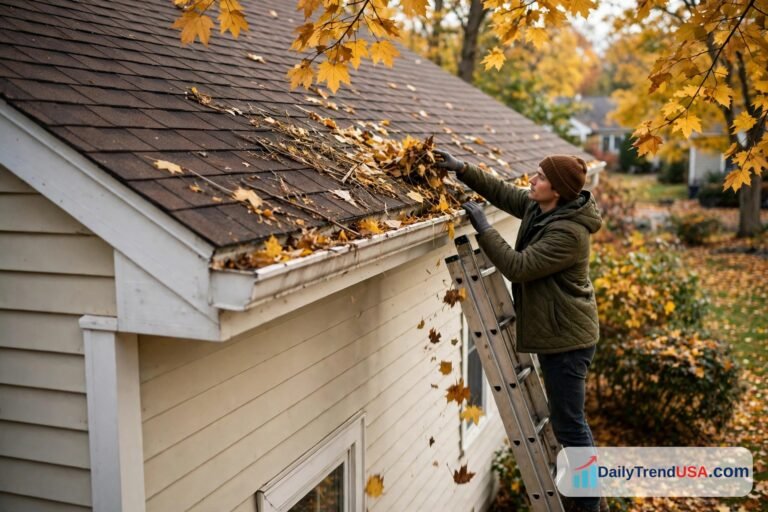
Small outside jobs in fall prevent big problems in winter. Clean leaves from gutters so melting snow can drain instead of pooling and freezing. Trim tree branches that hang over your roof or driveway, since ice can bring them down.
Stock rock salt or sand for walkways and steps before the first ice. Shovel in layers during a big storm rather than waiting until it ends, and take breaks. Shoveling heavy snow is hard work, and overexertion in cold weather is a real health risk.
Know the weather terms before a storm arrives. A Winter Storm Watch means a storm is possible. A Winter Storm Warning means it is happening or will happen soon. A Blizzard Warning means heavy snow and strong winds will cut visibility to less than a quarter mile.
What to do when the storm hits
Stay off the roads if you can. Most winter storm injuries happen in cars. If you must drive, tell someone your route and expected arrival time.
Inside, keep one room warm if power fails, and close doors to unused rooms. Dress in layers, even indoors. Check on older neighbors and anyone who lives alone, since older adults, children, and sick people face greater risk in extreme cold.
After the storm, watch for signs of frostbite and hypothermia. Frostbite shows as numb, pale, or waxy skin. Hypothermia shows as shivering, confusion, slurred speech, or drowsiness. A body temperature below 95 degrees Fahrenheit is an emergency, and you should call 911.
A simple checklist to finish this weekend
Pipes insulated, drafts sealed, furnace filter changed, alarms tested, kit stocked, shut-off valve located. If you can check all six, your home is in strong shape for winter.
Winter preparation is not about doing everything perfectly. It is about doing the simple things early, before the forecast turns cold. Start with pipes and alarms this weekend, add the kit next, and you will face the first freeze with a warm, safe home.
Related coverage: seasonal safety also means being ready for other hazards, such as the Southern California king tides flood warning and the San Juan River flooding near Shiprock, and keeping up with seasonal health guidance in our flu vaccine guide for adults over 50.


4 Comments