
Standfirst: Bose is recalling about 670,000 lithium-ion battery packs used in its S1 Pro and S1 Pro+ portable Bluetooth speakers after reports that the packs can overheat and catch fire. The U.S. Consumer Product Safety Commission announced the recall on November 5, 2026, and owners can get a free replacement battery.
What we know / What we don’t know
What we know:
- The U.S. Consumer Product Safety Commission (CPSC) announced the recall on November 5, 2026, as CPSC recall number 27-065. It is a Fast Track recall, which means the company moved quickly with the agency to pull the product.
- The recall covers about 634,759 battery packs sold in the United States, plus about 35,400 sold in Canada — around 670,000 in total.
- The battery packs can overheat and ignite, posing a risk of injury from fire and overheating, according to the CPSC.
- Bose has received seven reports of battery packs melting, producing smoke, or catching fire. Six of those reports involved property damage. No injuries have been reported.
- The recall covers only certain battery packs. A pack is included if the first six digits of its 17-digit serial number start with 083723, 078352, 084105, 078591, 078592, 084106, or 086409.
- Owners should remove the battery pack and stop using it right away. The speaker itself can still be used while plugged into AC power.
- Bose is offering a free replacement battery pack. Owners register the serial number at the company’s recall page to get one.
- The packs were sold from December 2017 through July 2026. Battery packs sold on their own cost $100 to $160, and speaker systems sold with the packs cost about $700.
What we don’t know:
- The CPSC notice does not break down the seven incident reports by model, so it is not clear how many involved the S1 Pro and how many involved the S1 Pro+.
- The notice does not say how much the property damage cost, or where those incidents happened.
- Bose has not said how long owners will wait for a replacement pack after they register, or how many of the roughly 670,000 packs are still in use.
Key facts
- Product: Bose S1 Pro and S1 Pro+ System Battery Packs (lithium-ion rechargeable packs for Bose S1 Pro and S1 Pro+ Portable Bluetooth Speaker Systems)
- Units recalled: About 634,759 in the U.S. (plus about 35,400 in Canada)
- Recall announced: November 5, 2026, by the U.S. Consumer Product Safety Commission (recall number 27-065)
- Hazard: Battery packs can overheat and ignite, posing a risk of injury from fire and overheating
- Incidents reported: 7 reports of packs melting, smoking, or catching fire; 6 with property damage; 0 injuries
- Serial numbers affected: First six digits 083723, 078352, 084105, 078591, 078592, 084106, or 086409
- Remedy: Free replacement battery pack from Bose
- Sold: December 2017 through July 2026 at Bose, Best Buy, Amazon, Walmart, and other stores and websites
- Prices: $100–$160 for a battery pack on its own; $700 for a speaker system sold with a pack
- Contact: Bose toll-free at 800-278-1083, 9 a.m. to 9 p.m. ET Monday through Friday and 9 a.m. to 7 p.m. ET Saturday, or online at bose.com/support/s1-battery-recall
What was recalled
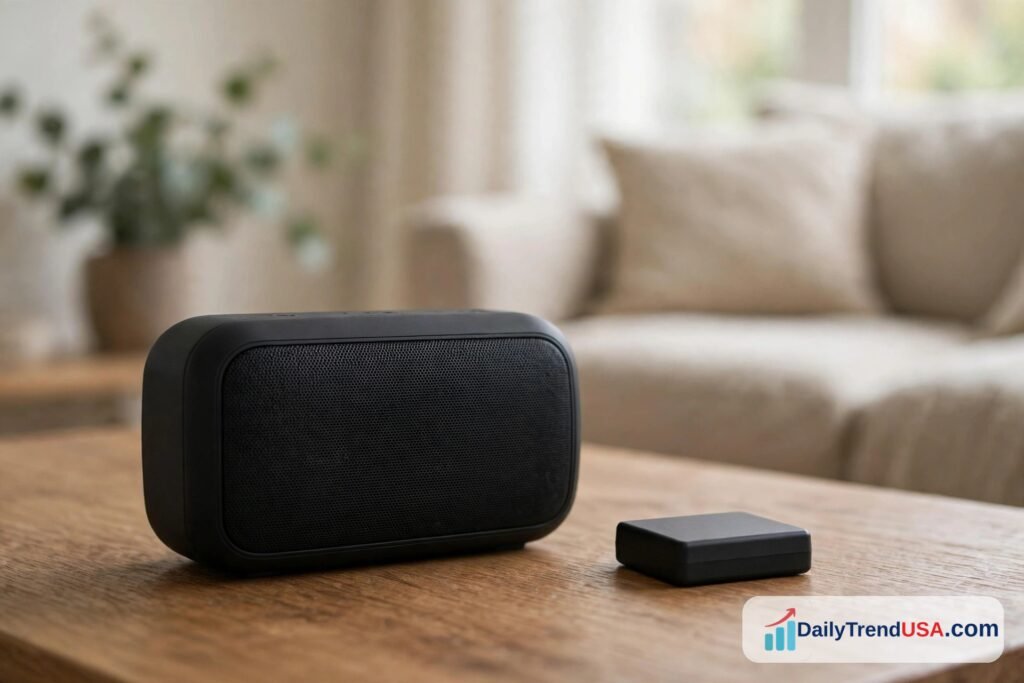
The recall is narrow in one important way: it covers the battery pack, not the speaker. The S1 Pro and S1 Pro+ are portable Bluetooth speaker systems that musicians, DJs, and event hosts use because they can run on battery power away from a wall outlet. The battery pack slides into the bottom of the speaker and can also be bought on its own as an accessory or a spare.
Only packs with certain serial numbers are included. The CPSC notice lists seven six-digit prefixes, and the full 17-digit serial number is printed on a label on the bottom of the battery pack. If the first six digits match one of the seven prefixes, the pack is part of the recall.
The recall covers packs sold with the speaker systems and packs sold separately. That matters because a spare pack bought years ago and kept in a drawer is covered too, even if it has never been used. Owners should check every Bose S1 battery pack they own, not just the one in the speaker.
How to check your battery pack
Checking takes a few minutes. First, power off the speaker and unplug it. Then flip the speaker over and loosen the screws on the bottom plate. Once the plate is off, the battery pack can be pulled out using the pull tabs. The serial number is on a label on the bottom of the pack itself.
Compare the first six digits of that 17-digit number with the recall list: 083723, 078352, 084105, 078591, 078592, 084106, or 086409. If the number starts with any of those, stop using the pack.
For a pack that is not installed in a speaker — a spare sitting on a shelf, for example — the serial number can simply be read off the label without taking anything apart. Owners should write the full serial number down before they contact Bose, since the company asks for it when owners register for a replacement.
What to do if yours is affected
The first step is simple: take the battery pack out of the speaker and stop using it. Do not charge it, do not keep it in the speaker, and do not use it again while waiting for a replacement. The speaker does not have to sit unused — once the battery pack is removed, the S1 Pro and S1 Pro+ can keep working while connected to AC power.
To get the free replacement, owners register the affected battery pack’s serial number at bose.com/support/s1-battery-recall. Bose can also be reached toll-free at 800-278-1083 from 9 a.m. to 9 p.m. ET Monday through Friday and 9 a.m. to 7 p.m. ET on Saturday. The replacement is free — owners should not pay anyone who offers to fix or replace a recalled battery pack for a fee, and they should only use the contact details in the official recall notice.
How to dispose of the battery safely
This is the part of the recall that owners most often get wrong, and the CPSC notice spells it out in detail. A recalled lithium-ion battery pack must not go in the trash, in a curbside recycling bin, or in the used-battery recycling boxes found at retail and home-improvement stores. Those boxes are for ordinary batteries, not for recalled lithium-ion packs, which carry a higher fire risk.
Instead, the notice says owners should take the pack to their municipal household hazardous waste (HHW) collection center, which may accept recalled lithium-ion battery packs. Before going, owners should call that office ahead of time and ask whether it accepts recalled lithium-ion batteries. If it does not, the notice says to contact the local municipality for further guidance. Until it is disposed of, the pack should be kept somewhere safe — away from heat, away from flammable materials, and out of reach of children.
Why lithium-ion batteries catch fire
Lithium-ion batteries power phones, laptops, tools, and speakers because they pack a lot of energy into a small space. That same energy is what makes a faulty pack dangerous. If the thin layers inside a battery are damaged — by a manufacturing defect, a hard knock, or wear over time — the battery can short-circuit inside and start a chain reaction called thermal runaway, where it heats up faster and faster until it melts, smokes, or catches fire.
Age is part of the story here. The affected packs were sold over nearly nine years, from December 2017 through July 2026, so some have been in use a long time. Batteries wear out with age and repeated charging, and a pack that worked fine for years can still develop a fault. That is one reason recalls like this cover such a long sales window, and why owners should check packs they bought years ago rather than assume an old battery is safe.
Why this recall matters now
The size of this recall is what stands out. At about 670,000 packs, it is one of the largest battery recalls of the year, and the S1 Pro line is popular with working musicians, DJs, wedding hosts, and small venues — people who may own more than one pack and may use them hard. A spare pack bought as a backup is easy to forget, and a forgotten pack in a gear bag or a storage room is still part of the recall.
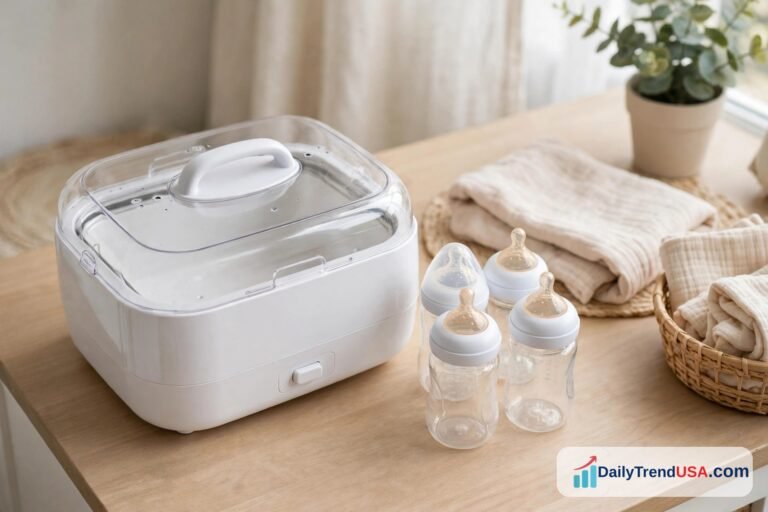
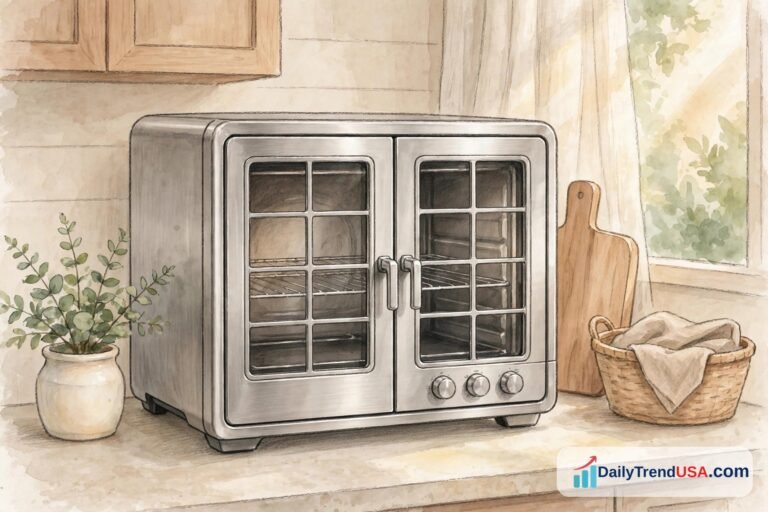
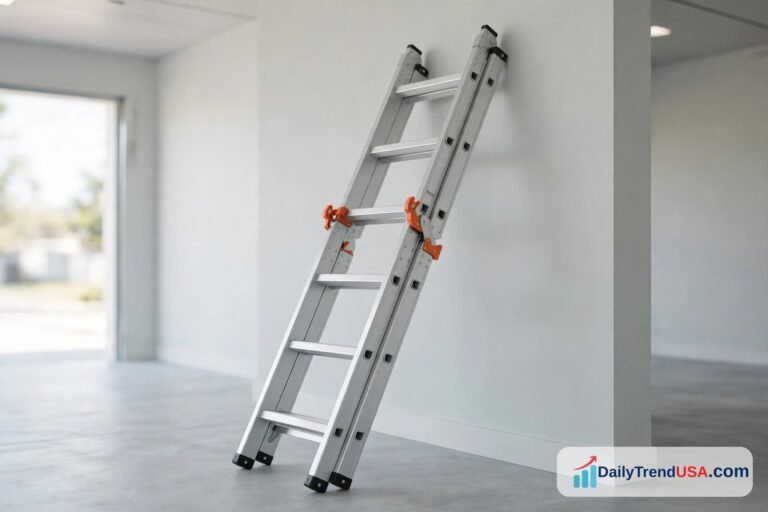
The recall also landed in a busy week for product safety. The same CPSC announcement batch also covered millions of ladders, air fryer ovens, and baby bottle sterilizers — see our coverage of the Little Giant ladders recall over a fall hazard (3.66 million ladders), the Gourmia air fryer ovens recall over burn risk (about 176,000 ovens), and the Baby Brezza sterilizer dryers recall (about 29,000 units). The Bose recall is the fire-risk entry in that same group, and it is the one where the remedy is a straight replacement rather than a repair kit.
What happens next
Bose will send free replacement battery packs to owners who register their affected serial numbers. The CPSC notice does not give a delivery date, so owners who register should keep the confirmation and follow up with Bose if the replacement does not arrive. The CPSC will update its notice if the number of reported incidents changes. Anyone who has had a problem with one of these battery packs can report it to the CPSC through its SaferProducts.gov portal.
Sources
- U.S. Consumer Product Safety Commission, recall notice (recall number 27-065) — Bose Recalls Lithium-Ion Battery Packs for S1 Pro and S1 Pro+ Bluetooth Speaker Systems
- HotHardware, “Bose Bluetooth Speaker Battery Fires Trigger Massive US Recall,” November 6, 2026 — HotHardware article
- Bose recall registration page — bose.com/support/s1-battery-recall