
Know Your Flood Risk Before the Rain Starts
Most homeowners only think about flooding when water is already rising, and by then the useful work is mostly done. The first step costs nothing: check your flood risk while the weather is still dry. FEMA’s flood maps show whether a property sits in a high-risk zone, but they do not tell the whole story — about one in four flood insurance claims comes from outside mapped high-risk areas.
Local risk matters as much as the map. Streets that pond after heavy rain, basements that seep in spring, and neighborhoods near rivers, creeks or storm drains all flood more easily than a map alone suggests. Ask neighbors about past flooding, and check whether your street has flooded in recent storms. That local history is often the best predictor of the next event.
Also learn the two alert words before you need them. A Flood Watch means flooding is possible — stay aware and get ready. A Flood Warning means flooding is happening or about to happen — act now, move valuables, and be ready to leave if officials say so. Knowing the difference in advance avoids the most common storm-week confusion, which is treating a warning like a watch and losing the hours that matter most. Keep a weather radio or phone alerts switched on during storm season so warnings reach you even if power and internet fail.
One timing fact catches many people out: most standard flood insurance policies carry a 30-day waiting period before coverage begins. That means flood insurance bought the week a storm is forecast usually does not cover that storm. Reviewing coverage in calm weather, not storm week, is the whole point.
Keep Water Out: Drainage, Barriers and Seals
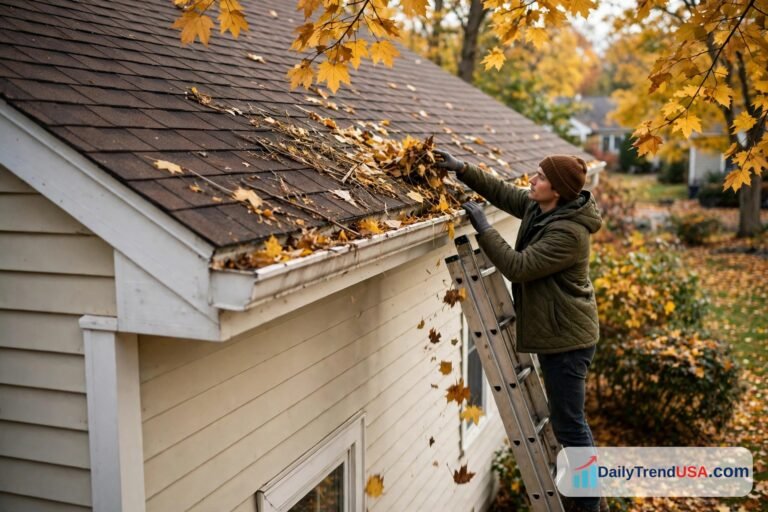
The cheapest flood protection is water management around the house. Clean gutters and downspouts so rainwater flows away from the foundation, not toward it. Downspout extensions should carry water at least several feet from the house, and the ground around the foundation should slope away from the walls rather than pooling against them.
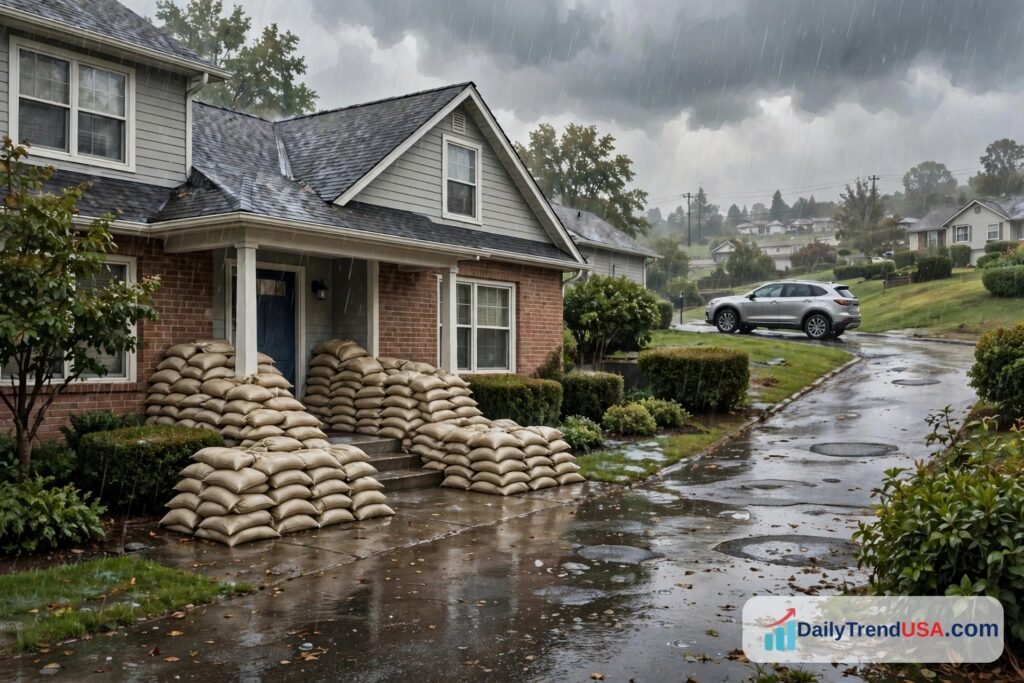
For homes that have flooded before, or sit in a known flood path, barriers add a second layer. Sandbags remain the most common temporary barrier and work best when stacked in a staggered, brick-like pattern against doorways and low vents. Seal basement windows, vents and other low openings with waterproof covers where the house design allows it, and consider a sump pump with a battery backup — power often fails exactly when the pump is needed most.
Inside, a backflow valve on the sewer line can stop floodwater from backing up through drains and toilets. It is a job for a plumber, not a storm-week improvisation, but for homes in flood-prone areas it prevents one of the most damaging and least pleasant kinds of flooding.
Move What Matters to Higher Ground
When a flood warning is issued, the highest-value work is moving things, not buying things. Move valuables, electronics, important documents and keepsakes to the highest floor or onto high shelves. Store documents in waterproof containers, and keep a digital copy of insurance policies, identification and medical information somewhere reachable even if the house is not.
In the garage and basement, raise appliances, tools and stored boxes off the floor on shelves or pallets. A few inches of elevation is often the difference between a cleanup and a replacement. Unplug electrical equipment in areas that may flood, and never touch electrical panels, outlets or appliances while standing in water.
Outside, secure or bring in anything floodwater can carry away — trash cans, grills, patio furniture and garden tools become debris that damages homes and blocks drains. Move vehicles to higher ground before roads close; cars are among the first things lost in a flood and among the most dangerous things to move once water is rising.
Never Drive or Walk Through Floodwater
The most important flood safety rule is also the simplest, and it saves lives every year. Never drive through flooded roads — “Turn Around, Don’t Drown” is the National Weather Service’s warning for a reason. Just six inches of fast-moving water can knock an adult off their feet, and about twelve inches can carry away most cars. Floodwater also hides washed-out roads, open drains and debris.
Most flood deaths in the United States happen in vehicles. Drivers underestimate depth, overestimate their car, and discover too late that the road beneath the water is gone. If a road is flooded, the safe choice is always another route or no trip at all — no appointment is worth a flooded crossing.
The same rule applies on foot. Floodwater is not just water: it can carry sewage, chemicals, sharp debris and downed power lines. Children and pets should never play in floodwater, and wading through it without protective gear risks cuts and infections that are easy to miss in the moment.
After the Water Recedes: Return Safely
Returning home after a flood needs the same care as leaving it. Wait for officials to say it is safe to return, and watch for damaged power lines, gas leaks and weakened structures. If you smell gas or hear hissing, leave immediately and call the utility from a safe distance.
Inside, photograph everything before cleanup for insurance purposes, then remove standing water and wet materials promptly — mold can begin growing within a day or two in damp conditions. Wear gloves, boots and a mask during cleanup, wash hands thoroughly, and throw out food, medicines and cosmetics that contacted floodwater.
Finally, use the experience. Note where water entered, what worked and what did not, and fix the weak points before the next storm. Flood preparation is a cycle, not a one-time project — and the same readiness mindset helps in other emergencies, from preparing your home for freezing weather to what to do during a power outage. Coastal readers should also watch seasonal surge risks, such as the king tides flood warning for Southern California.
What we know: the drainage, barrier, evacuation and cleanup steps above come from FEMA, Ready.gov, National Weather Service and Red Cross flood guidance. What depends on your home: exact flood risk, insurance coverage and structural measures — those come from your flood map, your policy and a local professional, and they override any general advice in this guide.