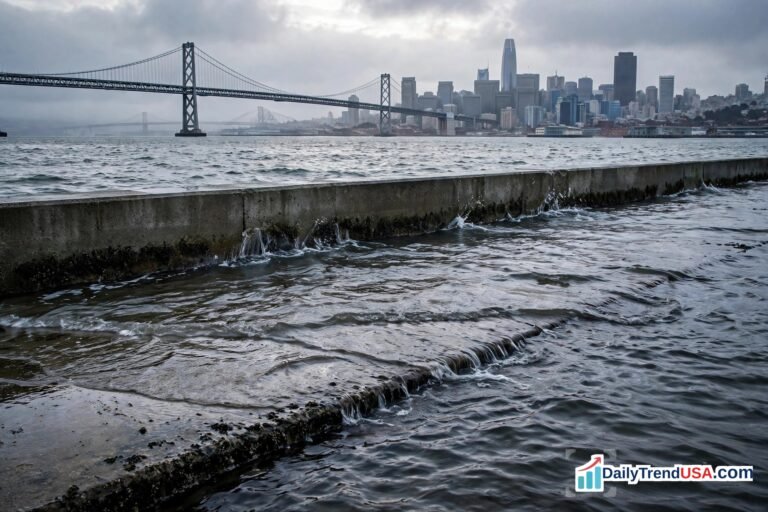
Standfirst: Flooding is the most common disaster in the United States, and it does not need a hurricane to wreck a home. Just six inches of moving water can knock a person down, and one foot can sweep a vehicle away. Most of the damage is preventable with work done before the water comes, and the cleanup after it goes down has a clock on it: mold can start growing within 24 to 48 hours. The steps below follow the order Ready.gov, FEMA and the CDC give them.
What we know / What we don’t know
What we know:
- Flooding is the most common disaster in the United States, according to Ready.gov, and it can develop slowly or strike as a flash flood with no warning.
- Just six inches of moving water can knock a person down, and one foot of moving water can sweep a vehicle away, according to Ready.gov.
- A standard homeowner’s insurance policy does not cover flooding. A policy under FEMA’s National Flood Insurance Program typically takes up to 30 days to go into effect.
- Mold can start growing within 24 to 48 hours of water exposure, according to the CDC’s disaster cleanup guide, so drying a home quickly matters as much as the cleanup itself.
What we don’t know:
- Whether your own home sits in a flood zone. Flooding does not follow the lines on a map, so the only way to know your risk is to check FEMA’s Flood Map Service Center for your address.
- How deep the water will get in any one storm. Forecasts give a range, not a promise, and a stalled band of rain can add inches in an hour.
- Whether a specific cleanup job is safe to do yourself. Extensive mold, hidden contamination and flooded heating systems need a professional.
Key facts
| Detail | Confirmed |
|---|---|
| Most common US disaster | Flooding, according to Ready.gov |
| Water that knocks you down | 6 inches of moving water |
| Water that sweeps a car away | 1 foot of moving water |
| Flood insurance wait | Up to 30 days for an NFIP policy to take effect |
| Mold growth starts | Within 24 to 48 hours of water exposure (CDC) |
| Generator distance | At least 20 feet from the house, outdoors only (EPA) |
| Homeowner’s insurance | Does not cover flooding (Ready.gov) |
Before the water comes
The cheapest flood work is done on a dry day. Start by knowing your risk. FEMA’s Flood Map Service Center shows the flood zones for your address, but Ready.gov warns that flooding does not follow the lines on a map. Where it rains, it can flood. Sign up for your community’s warning system, and keep a battery-powered radio or a phone charged so the Emergency Alert System and NOAA Weather Radio can reach you.
Put your documents where water cannot reach them. Keep them in a waterproof container, and keep password-protected digital copies somewhere safe. Move valuables to higher levels of the house before a storm, not during it. Declutter drains and gutters so water has somewhere to go, and consider check valves on drains and a sump pump with a battery backup if your basement takes water.
Gather supplies before you need them: non-perishable food, cleaning supplies and water for several days, in case you must leave at short notice or services are cut off. Make a household plan that includes pets, with evacuation routes and a meeting place everyone knows. Some homeowners stack sandbags at low doorways as a stopgap, but sandbags slow water down rather than stopping it, so they are no substitute for moving valuables and having a plan to leave.
Florida has already seen this pattern this month. Flooding in Brevard County closed schools on a Monday, and the same stalled weather pattern brought days of heavy rain to the whole east coast. The West Coast has had its own run of powerful storms this week, as reported here. The lesson from both coasts is the same: the water arrives faster than the cleanup, so the preparation has to happen first.
During the flood
If officials tell you to evacuate, go at once. Never drive around barricades. Local responders put them there to direct traffic out of flooded areas, and the road behind a barricade may already be washed out.
Do not walk, swim or drive through flood water. Ready.gov puts it in four words: Turn Around, Don’t Drown. Just six inches of moving water can knock you down, and one foot of moving water can sweep your vehicle away. Stay off bridges over fast-moving water, which can wash a bridge away without warning.
If your car is trapped in rapidly moving water, stay inside it, and get on the roof if water is rising inside. If you are trapped in a building, get to the highest level. Only get on the roof if you have to, and once there, signal for help. Do not climb into a closed attic, where rising water can trap you with no way out.
Keep listening to the Emergency Alert System, NOAA Weather Radio or your local alerting system for current information and instructions. Flood conditions change fast, and the next update may be the one that tells your neighborhood to move.
After the water goes down
Go home only when authorities say it is safe, and avoid driving except in emergencies. Before you start cleaning, contact your insurance company and take pictures of the home and everything in it. The CDC’s cleanup guide stresses this order: document first, then dry. Drying your home and removing water-damaged items is the most important step for preventing mold damage.
Wear heavy work gloves, protective clothing and boots during cleanup, and use a face covering or mask if you are cleaning mold or debris. The CDC recommends an N-95 respirator at a minimum, plus goggles and gloves. Children should not take part in disaster cleanup work, and people with asthma, other lung conditions or weakened immune systems should not enter buildings where mold can be seen or smelled.
Watch for the hidden dangers. Snakes and other animals may be in your house. Do not touch electrical equipment if it is wet or if you are standing in water, and turn off the electricity if it is safe to do so. Do not wade in floodwater: it can be contaminated with sewage and chemicals, it can hide dangerous debris, and underground or downed power lines can electrically charge the water.
Clean and dry your home and everything in it within 24 to 48 hours if you can. Clean hard surfaces with detergent and water. Do not mix cleaning products together, and never add bleach to other chemicals, which can create dangerous fumes. Throw away porous items that cannot be washed, such as mattresses and carpeting. Do not run the heating or cooling system until it has been inspected, since a flooded system can blow mold spores through the whole house. Ventilate with fans and dehumidifiers, but if you can already see mold, do not use fans, because they can spread it.
A flood often takes the power with it, so our guide to what to do during a power outage belongs on the same checklist. Run a generator or other gasoline-powered machinery only outdoors, at least 20 feet away from the house, and never inside a home, garage or shed.
Flood insurance: the 30-day rule
The most expensive surprise in flooding is the insurance gap. A standard homeowner’s policy does not cover flooding. That coverage comes from FEMA’s National Flood Insurance Program, and it typically takes up to 30 days for a policy to go into effect, so the time to buy is well before a disaster, not when a storm is on the radar.
A few exceptions shorten the wait, such as buying a policy while closing on a mortgage, but the standard rule is 30 days. If a flood hits before the waiting period ends, the damage from that flood is not covered. Check your coverage at floodsmart.gov, and ask a licensed agent whether an exception applies to your purchase.
If your home floods: first steps
Start with safety, then paperwork, then drying, in that order. Do not go back in until officials say it is safe. Call your insurer and photograph everything before you move or throw anything away. Turn off the electricity if you can do it safely, and stay out of the water. Get the wettest rooms drying fast: open doors and windows if the air outside is dry, run fans and a dehumidifier, and pull out soaked rugs, cushions and cardboard, which hold water and grow mold first.
If the damage is more than a shallow puddle, or if you see mold spreading, smell it strongly, or find it in the heating system, call a professional. This job can be too difficult or dangerous to do alone, and a qualified crew has the equipment to dry a house properly. Keep every receipt from the cleanup: your insurer will want them.
What we know: the before, during and after steps above come from Ready.gov, FEMA and the CDC. What depends on your home: your flood zone, how deep the water got, and whether the heating system or wiring was touched. Those need a local check, and a professional’s judgment when the damage is extensive.
Sources
- Ready.gov, “Floods,” ready.gov/floods (primary source, read November 22, 2026): flood warning guidance, before/during/after steps, six inches and one foot of moving water, NFIP 30-day rule, homeowner’s insurance does not cover flooding.
- Centers for Disease Control and Prevention, “Homeowner’s and Renter’s Guide to Mold Cleanup After Disasters”: mold within 24 to 48 hours, document before cleanup, N-95 respirator and protective gear, children and people with lung conditions stay out.
- U.S. Environmental Protection Agency, “Safely Clean Up Your Flooded Home”: clean and dry within 24 to 48 hours, generator at least 20 feet from buildings, do not use fans if mold is visible.
- FEMA National Flood Insurance Program via floodsmart.gov: 30-day waiting period for a typical NFIP policy, exceptions for mortgage closings and newly mapped zones.
- Yavapai County, Arizona, “Yavapai County Warns Residents of Mold Dangers After Flooding,” November 16, 2026: mold within 24 to 48 hours, discard porous items, do not run flooded HVAC, never mix cleaning products.